

The most effective relaxing activities are accessible methods that reduce cortisol levels and activate the body's calming response. These include nature walks, gentle physical movement, breathing exercises, mindfulness, creative activities, and self-care rituals. The key is consistency: even 15 minutes daily dedicated to a relaxation technique can significantly improve well-being and stress management capacity.
In a world of constant notifications and endless to-do lists, stress has become a permanent background noise. You feel like you never get a break from life, not just from work. The good news is that you don't need complicated solutions to catch your breath. Many of the most powerful relaxation activities are simple, accessible, and backed by science.
This guide explores 10 proven relaxation methods, explained in simple terms, that will help you regain balance and transform relaxation from a luxury into a healthy habit.
1. Nature walks: therapy with every step
Walking in nature, also known as "forest bathing" (Shinrin-yoku), is a relaxation method that reduces blood pressure, heart rate, and stress hormones. Visual contact with greenery, the sound of leaves, and fresh air calm the nervous system more effectively than an urban walk.
Studies show clearly: a 20-30 minute walk through a park, forest, or waterfront can reset an entire day. It's not about athletic performance, but about sensory immersion. Put your phone on silent, breathe deeply, and focus on what you see, hear, and feel around you. It's one of the most accessible anti-stress activities.
2. Gentle physical movement: release tension from the body
You don't need to run a marathon to benefit from movement's effects. Moderate physical activity – yoga, stretching, swimming, cycling, or even dancing in your living room – releases endorphins, known as "happiness hormones." This natural process combats cortisol's effects and improves sleep quality.
For those seeking more dynamic relaxation, active experiences might be the perfect solution. Think about a horseback riding session or a kayaking trip. These combine movement with mental focus, offering a complete break from daily worries.
Want to turn movement into an adventure? Discover our collection of adventure experiences and choose an innovative method of active relaxation.
3. Deep breathing exercises: your internal reset button
Breathing is the only autonomic body function we can consciously control. Deep, diaphragmatic breathing techniques activate the parasympathetic nervous system, responsible for the "rest and digest" state. It's the fastest way to signal to your brain that danger has passed.
- Find a comfortable position: Seated in a chair or lying on your back.
- Inhale slowly through your nose (4 seconds): Feel your abdomen expand, not your chest.
- Hold your breath (2 seconds): A brief pause.
- Exhale slowly through your mouth (6 seconds): Empty your lungs completely.
- Repeat: Continue for 3-5 minutes.
These breathing exercises for relaxation can be done anywhere: at the office, in traffic, or before bedtime.
4. Mindfulness and meditation: anchor yourself in the present
Mindfulness doesn't mean emptying your mind, but training it to be present, without judging the thoughts that arise. Regular practice of meditation and conscious presence reduces anxiety, improves concentration, and contributes to deep mental relaxation.
You can start simply: while drinking your morning coffee, focus exclusively on the aroma, taste, and warmth of the cup. Put aside your phone and plans for the day. Just 5 minutes of focused attention can make an enormous difference in stress management.
Question? How often should I practice relaxing activities?
Ideally, integrate small moments of relaxation daily, even just 10-15 minutes. Breathing exercises or a short walk are perfect. More extensive activities, like a spa day or getaway, are recommended monthly or quarterly for a complete reset. Consistency is more important than intensity.
5. Listen to music: the soundtrack of calm
Music has a direct and measurable impact on our physiology. Slow, instrumental melodies can lower heart rate and blood pressure. However, there's no universal recipe. Relaxing music is what works for you, whether it's Chopin, ambient jazz, or classic rock.
Create a 20-30 minute "disconnection" playlist and listen to it on your way home. It's a perfect sound barrier between work chaos and home peace.
6. Creative activities: enter the "flow" state
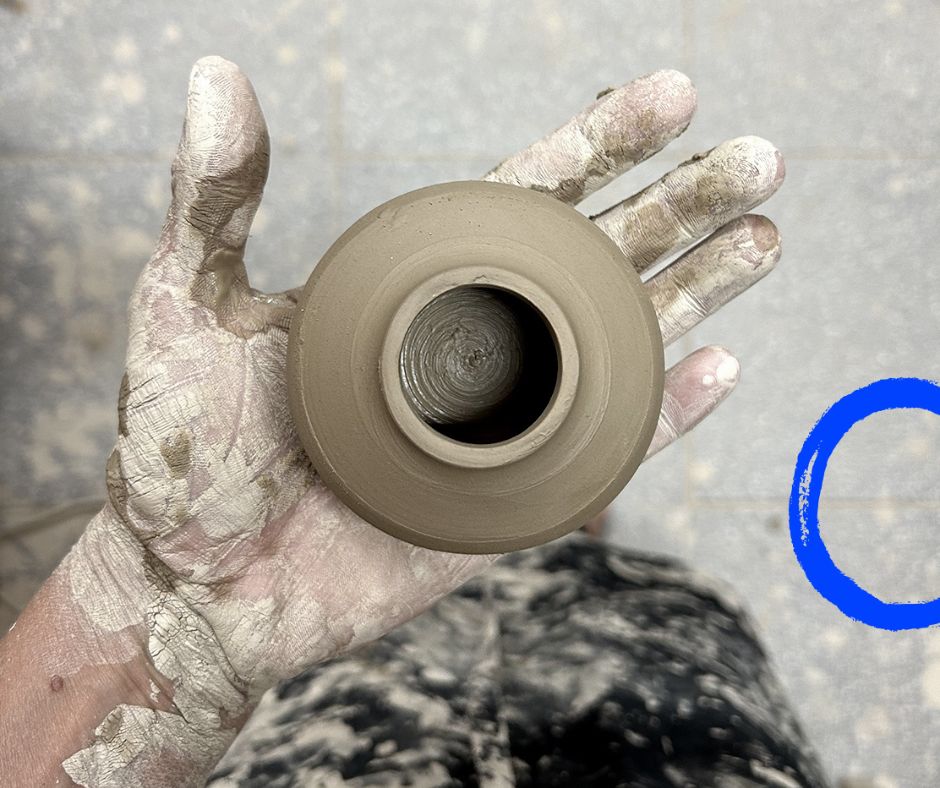
Drawing, painting, pottery, cooking, or playing an instrument help you enter a "flow" state – total concentration that makes time disappear and worries fade. Studies show these activities stimulate dopamine release, the neurotransmitter associated with pleasure and reward.
Flow state is a mental state of complete immersion in an activity, characterized by energetic focus, total involvement, and joy in the process. It's a concept developed by psychologist Mihaly Csikszentmihalyi and is considered a pillar of well-being.
It's not about talent, but about process. Allow yourself to make mistakes and enjoy the act of creation. It's a powerful form of mental relaxation.
Feel creativity calling? Get inspired and explore creative workshops where you can learn pottery, painting, or perfume art.
7. Gardening: therapy with hands in soil
Contact with soil and caring for plants are deeply healing activities. Even if you don't have a garden, tending a few pots on a balcony or windowsill has similar benefits. This simple ritual – watering, cleaning leaves, watching growth – anchors you in nature's rhythms and gives you a tangible sense of accomplishment.
8. Self-care rituals: hot baths, spa, and massage
A hot bath with Epsom salts, a long shower, sauna, or professional massage aren't just indulgences, but powerful tools for stress reduction. Heat relaxes contracted muscles, while therapeutic touch during massage releases accumulated tension and calms the nervous system.
These rituals can be adapted at home, but sometimes a complete experience is exactly what you need to reset. A spa day or specialized massage completely removes you from your usual environment and allows for much deeper relaxation.
You deserve total pampering. Choose from a selection of massages, therapies, and spa rituals in our collection of pampering moments.
Question? What if I can't relax even when I try?
This is a common situation, especially at first. Don't force it. Start with passive activities like listening to music or taking a warm bath. Try not to have expectations, just observe sensations. If agitation persists and affects quality of life, consulting a specialist, such as a psychotherapist, is a recommended option.
9. Mindful cooking: meditation in the kitchen
Preparing a meal, when not done in a rush, can be a form of mindfulness. Focus on chopping vegetables, mixing ingredients, and developing aromas. It's an activity that engages all your senses and forces you to be present. At the end, you also enjoy a delicious reward.
10. Quality time with loved ones: human connection
Quality socializing is one of the most powerful protective factors against stress. A deep conversation with a friend, a game night with family, or a romantic evening for two can recharge emotional batteries. These connections remind us we're not alone facing life's challenges.
Often, the best relaxation ideas for couples involve a shared experience away from daily routine. A special dinner, wine tasting, or weekend getaway can reconnect partners and create precious memories.
Create unforgettable moments together. Discover gifts for couples or plan an escape with our romantic weekend packages.