

"Quality time" sounds lovely in theory, but in real life it doesn't have to mean spectacular trips or expensive activities. More often than not, it comes down to attention, presence, and a few small habits that — repeated day after day — build a strong bond between parent and child.
Child development experts often say that it's not the quantity of time that matters most, but the quality of how that time is spent. An honest conversation, an improvised game, or a quiet walk can have a far greater impact than any carefully planned activity.
Below you'll find 15 simple, realistic ideas for turning everyday moments into opportunities to connect with your child.
1) Ten Minutes Just for Your Child
Sometimes the greatest show of attention is simply setting everything else aside. Put your phone on silent and give your child 10 minutes of your complete, undivided focus.
Let them take the lead. Maybe they want to build a castle out of blocks or make up a story with their favorite toys. You don't need to control the activity — just show up and participate.
Often, just a few minutes like this are enough for a child to feel truly seen and valued.
2) Small Conversations in Ordinary Moments
You don't need to wait for a special occasion to connect with your child. Some of the best conversations happen during the simplest activities.
For example:
- on the way to school
- while running errands
- on the bus or in the car
If they notice something, respond and keep the conversation going. A child who says "Look at that red car!" isn't just looking for confirmation — they want a reaction that continues the interaction.
This kind of simple dialogue goes a long way in developing language skills and emotional closeness.
3) Read Together
Reading together remains one of the most valuable activities a parent and child can share.
It's not just about learning words. It's about the atmosphere: the sound of a parent's voice, physical closeness, and the imagination that comes alive as you turn the pages together.
You can make reading more interactive by asking questions like:
- "What would you do if you were the character?"
- "How do you think they're feeling?"
This way, your child isn't just listening — they're actively taking part in the story.
4) Family Meals
Even with a busy schedule, try to share at least one meal together each day.
It doesn't have to be perfect. What matters is the moment of connection.
A simple idea is to have everyone share:
- one good thing that happened that day
- something that was difficult
- something they're looking forward to tomorrow
Over time, these little conversations become a ritual that strengthens your relationship.
5) Cook Together
The kitchen can be a wonderful place to spend time together.
Kids can:
- wash vegetables
- mix ingredients
- measure quantities
- decorate the food
Even if things get a little messy, the satisfaction of saying "we made this together" is worth every minute.
6) Unhurried Walks
An evening walk can be surprisingly valuable. Without the pressure of time or other activities, conversations flow much more naturally.
You can turn the walk into a little game:
- "Tell me three things you noticed today."
- "What caught your eye on the street?"
Sometimes it's exactly these simple moments that create the most beautiful memories.
7) Small Adventures in Nature
You don't need an elaborate outing to enjoy time in nature.
A local park, a nearby forest, or even a green space in the city can become a place of exploration.
Try a mini "treasure hunt":
- an interesting leaf
- an unusual stone
- something that smells nice
Kids love discovering things, and nature is the perfect place for that.
8) Active Fun as a Family
Physical activity doesn't have to be structured like a sports session. It can be something simple and fun.
Quick ideas:
- riding bikes
- dancing in the living room
- running in the park
- setting up an improvised obstacle course at home
When movement becomes a family activity, children see it as something enjoyable rather than an obligation.
9) Board Games
Board games are a great opportunity for meaningful interaction.
Beyond the fun, they teach children:
- to wait their turn
- to handle losing gracefully
- to cooperate
Afterward, you can chat about the game: "What did you enjoy most?" or "What strategy did you use?"
10) Creative Activities
Creativity doesn't require fancy supplies. Sometimes a few simple materials are all you need:
- colored paper
- glue
- old magazines
- markers
You can make collages, little figures, or small decorative objects together.
These activities spark imagination and give your child the rewarding feeling of creating something with their own hands.
11) The Day Your Child Decides
Every now and then, let your child choose the activity.
They might decide:
- where you go in the park
- which game you play
- what dessert you make together
This gives them a sense of autonomy and makes them feel included in family decisions.
12) Helping Others Together
Children can learn empathy through simple acts of kindness.
For example:
- pick up litter in the park
- put together a bag of toys to donate
- help an elderly neighbor
This helps your child understand that small gestures really can make a difference.
13) Stories from Your Own Childhood
Children are fascinated by stories about their parents.
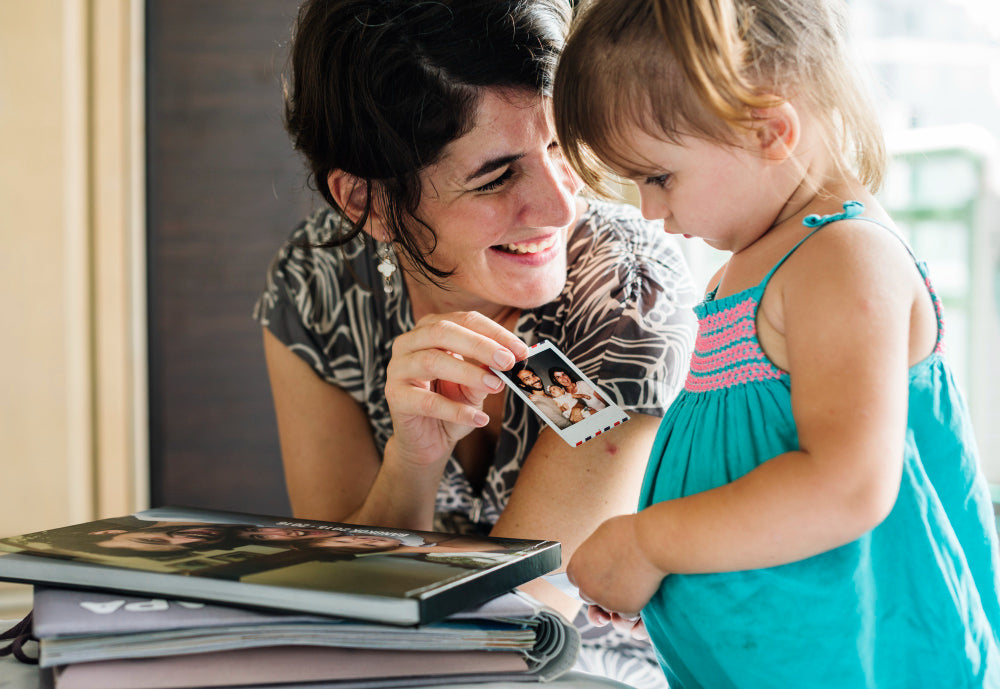
Show them old photos and share:
- what you were like at their age
- what you loved to do
- what you learned from certain experiences
These moments create closeness and help children realize that their parents have been through similar experiences too.
14) Screen Time — But Together
Technology is part of modern life, and sometimes it can become a shared activity.
You could:
- watch a short documentary
- follow along with an educational video
- play an interactive game together
The key is to talk afterward about what you watched or experienced.
15) Independent Play Followed by Play Together
Children also need time to play on their own.
This nurtures their imagination and independence. After a while, you can join in their game.
Just ask simply: "Can I join you?"
This balance between independence and interaction is hugely beneficial for their development.
A Few Simple Ideas to Get Started
If you want to start this very week, pick three simple things:
- read together for a few minutes each day
- take a short walk every evening
- spend 10 minutes playing together with no distractions
Even these small habits can make a big difference in your relationship with your child.
Frequently Asked Questions
1. How much time should I spend with my child each day?
There's no perfect amount. Even 10–20 minutes of complete, focused attention can be incredibly valuable — as long as it's free from distractions.
2. What if my child isn't interested in the activities I suggest?
Start with the things they already enjoy. Once you've built a connection around their interests, you can gradually introduce new activities.
3. Is it important to have a routine?
Yes. Simple routines — like reading before bed or eating meals together — give children a sense of stability and security.
4. Is it okay to use screens during time spent together?
Yes, as long as the content is appropriate and there's real interaction involved. Talking about what you're watching can turn screen time into a genuinely educational experience.
5. How can I keep my child interested in these activities?
Variety is key. Mix up games, creative activities, walks, and conversations. The most important thing is to keep the atmosphere relaxed and enjoyable.